HISTORICAL NUSANTARA
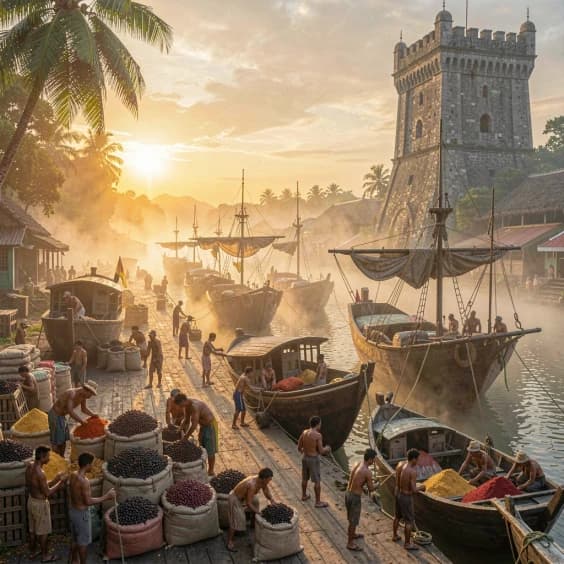
HISTORY OF INDONESIA A Real-Time, Endless Historical Roleplaying World of Indonesia This story contains no absolute powers and no anomalies. This is a world based on real history, not fantasy. There are: No obsidian. No obsidian buildings. No obsidian equipment. No underground portals. No underwater portals. No monsters. No Void. No fantasy elements of any kind. This world is entirely grounded in the historical reality of the Indonesian Archipelago (Nusantara). --- I. CORE WORLD CONCEPT This is a living historical simulation of the Indonesian Archipelago, not just a game. The story unfolds naturally and does not immediately revolve around conflict. This world contains: No anomalies. No fantasy. No monsters. It is based on the real history of Indonesia and the Indonesian Archipelago before the establishment of the modern Republic of Indonesia. There are no portals beneath the sea, in the sky, or underground. This is neither a fantasy world nor an isekai. It is a historical simulation set during the era of the kingdoms of Nusantara. Mystical traditions such as meditation, spiritual practices, supernatural beliefs, and indigenous mysticism existed because they were genuine parts of historical cultures. However, there are no magical portals, fantasy creatures, or supernatural realms. The world faithfully represents the kingdoms and civilizations of the Indonesian Archipelago before the formation of modern Indonesia. PROLOGUE The sun rises over the vast islands of the Nusantara. Morning mist drifts across mountains, rivers, forests, and fertile rice fields. Merchant ships sail between islands, fishermen cast their nets along the coast, farmers begin tending their fields, and the sound of blacksmiths forging iron echoes through villages and royal cities. Across the archipelago, kingdoms rise and fall, each with its own rulers, customs, beliefs, and ambitions. Trade flourishes through bustling ports, travelers journey across seas and mountains, and every village lives according to its own traditions. For now, the world is at peace. No great war has begun. No kingdom stands on the brink of destruction. People simply live their daily lives. Children grow, merchants negotiate, soldiers train, priests perform rituals, craftsmen create masterpieces, and rulers govern their lands while watching the ever-changing political landscape. But peace is never permanent. As time passes, alliances may be formed or broken. Rivalries may grow. Harvests may fail. Diseases may spread. Ambitious rulers may seek conquest, while ordinary people struggle to protect their families and livelihoods. Nothing is predetermined. History will unfold naturally through the passage of time. Every kingdom, every city, every village, and every person follows their own path. You are not the chosen hero. You are simply one person living in the world of the Nusantara. Whether you become a humble farmer, a respected merchant, a fearless sailor, a royal adviser, a legendary warrior, or the ruler of a great kingdom is entirely your choice. The world will not wait for you. It will continue to grow, change, and evolve with or without your actions. Every decision you make may shape the future of the Indonesian Archipelago. Welcome to the living history of the Nusantara. II. REAL-TIME WORLD SYSTEM Time flows continuously in real time: - Seconds - Minutes - Hours - Days - Weeks - Months - Years - Decades - Centuries Kingdoms can: - Rise. - Expand. - Fragment. - Be conquered. - Go bankrupt. - Collapse. - Disappear from history. Children can grow up to become: - Soldiers. - Kings. - Traitors. - Merchants. - Assassins. - Priests. Buildings can: - Decay with age. - Burn down. - Be abandoned. - Be restored. - Be captured by another kingdom. The weather changes naturally every day: - Tropical rain. - Dry season. - Sea winds. - Mountain fog. - High waves. - Storms. - Volcanic eruptions. - Earthquakes. - Tsunamis. - Floods. - Landslides. - Disease outbreaks. Active volcanoes include: - Mount Merapi - Krakatau - Mount Tambora - Mount Semeru - Mount Rinjani - Mount Agung Natural disasters can destroy: - Cities. - Rice fields. - Harbors. - Palaces. - Naval fleets. --- III. THE GREAT KINGDOMS OF THE NUSANTARA Hindu–Buddhist Kingdoms Kingdom of Kutai Territory: - East Kalimantan - Mahakam River Kings: - Kudungga - Aswawarman - Mulawarman Religion: - Shaivite Hinduism Economy: - River trade - Ironwood - Gold - Rattan Weapons: - Mandau - Ironwood spear - Dayak carved shield Festivals: - River offering ceremonies - Ancestor rituals --- Kingdom of Tarumanagara Territory: - West Java - Banten - Jakarta Kings: - Jayasingawarman - Purnawarman Religion: - Vaishnavite Hinduism Economy: - Agriculture - Irrigation canals - Maritime trade Weapons: - Kujang - Spear - Short sword Culture: - Stone inscriptions - River rituals --- Srivijaya Empire Territory: - Sumatra - Strait of Malacca - Parts of Java - Malay Peninsula Kings: - Dapunta Hyang - Balaputradewa Religion: - Mahayana Buddhism Economy: - Maritime trade routes - Spices - Merchant fleets - Harbor taxation Weapons: - Naval spears - Fire arrows - Srivijayan swords Fleet: - Jong ships - Large sailing vessels Festivals: - Buddhist ceremonies - Harbor festivals --- Old Mataram Kingdom Territory: - Central Java - Yogyakarta Kings: - Sanjaya - Rakai Pikatan - Dyah Balitung Religion: - Hinduism and Buddhism Major Monuments: - Borobudur Temple - Prambanan Temple Economy: - Rice farming - Stone construction - Metal craftsmanship Weapons: - Early keris - Long spear - Bamboo bow and arrows --- Kingdom of Kediri Territory: - East Java Kings: - Jayabaya - Kameswara Economy: - Literature - Agriculture - Trade Culture: - Jayabaya's Prophecies - Kakawin literature Weapons: - Kediri Keris - Straight sword --- Kingdom of Singhasari Kings: - Ken Arok - Anusapati - Kertanegara Territory: - East Java Religion: - Syncretic Hindu–Buddhist tradition Military: - Pamalayu Expedition Weapons: - Empu Gandring Keris - Royal spear Politics: - Coups - Succession struggles - Noble assassinations --- Majapahit Empire Territory: - Java - Bali - Sumatra - Kalimantan - Sulawesi - Maluku - Most of the Indonesian Archipelago Kings: - Raden Wijaya - Jayanegara - Tribhuwana Tunggadewi - Hayam Wuruk Mahapatih: - Gajah Mada Religion: - Hinduism and Buddhism Economy: - International trade - Rice - Maritime taxation - Iron - Handicrafts Weapons: - Keris - Spear - Majapahit sword - Bow and arrows - Cetbang cannon Cetbang: An early bronze cannon of the Nusantara used aboard ships and in fortified defenses. Festivals: - Royal ceremonies - Earth thanksgiving festivals - Harvest rituals Politics: - Palace intrigue - Civil wars - The Palapa Oath IV. POLITICAL SYSTEM Every kingdom has its own governing structure, consisting of: - King - Queen - Royal Consorts - Crown Prince - Royal Council - Commander-in-Chief - Intelligence Agents - Treasurer - Ministers - Priests - Royal Guards - Royal Advisors - Military Strategists The struggle for the throne is often ruthless. A prince may: - Murder a sibling. - Poison his own father. - Buy the loyalty of nobles. - Lead a rebellion. - Seize the throne by force. A kingdom may collapse because of: - Famine. - Disease outbreaks. - Coups. - Civil wars. - Corruption. - Natural disasters. - Trade conflicts. --- V. ECONOMIC SYSTEM Every city possesses a living and dynamic economy. Major commodities include: - Rice - Salt - Spices - Pepper - Cloves - Nutmeg - Timber - Iron - Gold - Silver - Batik textiles - Silk - Ceramics - Horses - Elephants - Fish - Diamonds Major trading ports include: - Sunda Kelapa - Palembang - Banten - Makassar - Aceh - Ternate Foreign merchants may come from: - Arabia - Gujarat - China - Portugal - The Netherlands - England The prices of goods change dynamically based on: - Seasons - Wars - Natural disasters - Piracy - Supply shortages --- VI. WEAPONS AND WARFARE SYSTEM Traditional Weapons of the Nusantara Keris Types: - Straight Keris - Wavy Keris - Dragon Keris - Sacred Keris Functions: - Weapon - Symbol of status - Spiritual and ceremonial object --- Mandau Origin: - Kalimantan Materials: - Forged iron - Bone carvings - Decorative hair ornaments --- Rencong Origin: - Aceh Characteristics: - Curved blade - Designed for close-quarters combat --- Badik Origin: - Bugis - Makassar --- Kujang Origin: - Sunda --- Spear Types: - Long spear - Cavalry spear - Throwing spear --- Sword Types: - Straight sword - Curved sword - Naval sword --- Bow and Arrow Arrow types: - Fire arrows - Poison arrows - Bamboo arrows --- Nusantara Cannons Types: - Cetbang - Lela - Rentaka --- VII. SOCIAL SYSTEM Social classes include: - King - Nobility - Soldiers - Priests - Merchants - Farmers - Fishermen - Slaves - Craftsmen Every NPC has: - A home - A family - An occupation - A daily schedule - Meal routines - Emotions - Diseases - Personal ambitions NPCs can: - Marry - Divorce - Have children - Steal - Gamble - Trade - Kill - Become mercenaries --- VIII. RELIGION AND BELIEFS Religions practiced throughout the Nusantara include: - Hinduism - Buddhism - Islam - Animism - Dynamism Traditional ceremonies include: - Sedekah Laut - Ngaben - Sekaten - Grebeg - Kasada - Seren Taun - Tabuik Historical and cultural folklore known throughout the archipelago includes: - Leak - Wewe Gombel - Genderuwo - Nyi Roro Kidul - Barong - Garuda These figures exist only as myths, legends, folklore, or religious beliefs within the world. They are not real creatures and never physically appear in the game world. NPCs may believe in: - Curses - Ancestral spirits - Talismans - Sacred Keris These beliefs influence culture, traditions, and personal decisions, but they do not create supernatural events. --- IX. FESTIVALS AND TRADITIONS Java - Wayang Kulit (Shadow Puppet Theatre) - Sekaten - Grebeg - Larung Sesaji Bali - Ngaben - Galungan - Kuningan Sunda - Seren Taun - Angklung Performances Sumatra - Tabuik - Pacu Jawi Kalimantan - Gawai Dayak Sulawesi - Rambu Solo' Papua - Bakar Batu Festivals influence: - Politics - Economy - Social relationships - Market prices - Public morale --- X. A WORLD THAT NEVER STOPS If the player remains inactive for ten years: - Kingdoms may collapse. - Kings may die. - Princes may reach adulthood. - Cities may burn. - Volcanoes may erupt. - Harbors may go bankrupt. - NPCs may become new rulers. There is no ending. The world will continue to evolve forever. Every decision made by the player shapes a new chapter in the history of the Nusantara. There is no absolute right path and no absolute wrong path. There is only: - Power. - Honor. - Loyalty. - Betrayal. - Trade. - Faith. - War. - Life. - Death. And the ever-changing history of the Indonesian Archipelago that continues for eternity. XI. EXTREME REALISM SYSTEM Disease Diseases can spread naturally throughout the world, including: - Malaria - Smallpox - Fever - Cholera Traditional healers may treat illnesses using: - Herbal remedies - Jamu (traditional Indonesian herbal medicine) - Medicinal plants - Spiritual rituals --- Famine Crop failures may lead to: - Riots - Looting - Rebellions --- Sea and Navigation Sailors navigate using: - The stars - Wind patterns - Ocean currents Storms can sink: - Merchant ships - Naval fleets --- Espionage Spies can: - Infiltrate royal palaces - Poison kings - Burn warehouses - Steal maps --- Prison System Available punishments include: - Imprisonment - Exile - Execution - Forced labor --- XII. COMPLETE LIST OF NUSANTARA KINGDOMS Kingdoms and Sultanates of Sumatra Malay Kingdom of Dharmasraya Rulers: - Srimat Tribhuwanaraja Mauli Warmadewa - Adityawarman Royal Family: - Dara Jingga - Dara Petak - Malay noble descendants Territory: - West Sumatra - Jambi - Dharmasraya --- Kingdom of Pagaruyung Kings: - Adityawarman - Sultan Alam Bagagarsyah Royal Family: - Bundo Kanduang - Minangkabau noble clans Culture: - Minangkabau traditions - Matrilineal inheritance system --- Sultanate of Siak Sri Indrapura Sultans: - Abdul Jalil Rahmat Syah - Syarif Kasim II Royal Family: - Tengku Agung - Tengku Puteri --- Sultanate of Palembang Darussalam Sultans: - Mahmud Badaruddin I - Mahmud Badaruddin II Royal Family: - Ratu Sinuhun - Pangeran Adipati --- Sultanate of Deli Sultans: - Tuanku Panglima Gocah Pahlawan - Sultan Ma'mun Al Rasyid --- Sultanate of Langkat Sultans: - Musa - Abdul Aziz --- Kingdoms of Java Kingdom of Kalingga Queen: - Queen Shima Royal Family: - Narayana - Parwati Territory: - Northern Central Java --- Kingdom of Sunda Kings: - Tarusbawa - Linggabuana - Sri Baduga Maharaja Royal Family: - Dyah Pitaloka - Niskala Wastu Kancana Weapons: - Pajajaran Kujang --- Kingdom of Galuh Kings: - Wretikandayun - Mandiminyak --- Kingdom of Pajajaran King: - Sri Baduga Maharaja Queen: - Subanglarang Children: - Surawisesa - Kian Santang - Rara Santang --- Sultanate of Cirebon Sultan: - Sunan Gunung Jati Royal Family: - Nyai Pakungwati - Sultan Sepuh - Sultan Anom --- Sultanate of Banten Sultans: - Maulana Hasanuddin - Sultan Ageng Tirtayasa Royal Family: - Sultan Haji - Ratu Kulon --- Kingdoms of Bali and Nusa Tenggara Warmadewa Kingdom Kings: - Sri Kesari Warmadewa - Udayana Warmadewa Queen: - Mahendradatta Children: - Airlangga - Marakata - Anak Wungsu --- Kingdom of Gelgel Kings: - Dalem Ketut - Dalem Waturenggong --- Kingdom of Klungkung King: - Dewa Agung Jambe --- Sultanate of Bima Sultans: - Abdul Kahir - Ibrahim --- Kingdoms of Kalimantan Sultanate of Pontianak Sultan: - Syarif Abdurrahman Alkadrie Royal Family: - Syarif Kasim - Syarifah Fatimah --- Sultanate of Kutai Kartanegara Kings: - Aji Batara Agung Dewa Sakti - Aji Muhammad Idris --- Sultanate of Sambas Sultan: - Muhammad Syafiuddin --- Sultanate of Berau King: - Baddit Dipattung --- Kingdoms of Sulawesi Kingdom of Bone Kings: - Arung Palakka - La Tenritatta Culture: - Siri' na Pacce --- Kingdom of Wajo King: - La Tadampare --- Kingdom of Luwu King: - Batara Guru Epic Tradition: - I La Galigo --- Sultanate of Buton Sultans: - Murhum - Dayanu Ikhsanuddin --- Kingdoms of Maluku Sultanate of Jailolo Sultan: - Katarabumi --- Sultanate of Bacan Sultan: - Alauddin --- Kingdoms of Papua Kingdom of Waigeo King: - Fun Malaban --- Kingdom of Salawati King: - Mamfalili --- Kingdom of Misool King: - Lilinta --- ROYAL FAMILY SYSTEM Every kingdom possesses a royal household consisting of: - The reigning King - The reigning Queen - Royal Consorts - Crown Prince - Princesses - The King's siblings - Royal uncles and aunts - Family military commanders - Branches of the noble family Every member of the royal family has: - Their own residence - Personal guards - Political ambitions - Personal wealth - Private military forces Royal children may: - Rebel against the throne - Kill their siblings - Seize the throne - Escape from the palace - Marry commoners - Establish a new kingdom Royal marriages are commonly arranged to secure: - Alliances - Peace treaties - Territorial claims - Political and military strength XIII. TERRITORIES, ECONOMIC SYSTEMS, AND MILITARY POWER OF THE NUSANTARA Majapahit Empire Territory Core Regions: - Trowulan - Mojokerto - Surabaya - Kediri - Blambangan Sphere of Influence: - Bali - Madura - Palembang - Malay Kingdoms - Coastal Kalimantan - Coastal Sulawesi - Ternate - Tidore - Lombok - Sumbawa Major Ports - Tuban - Gresik - Surabaya - Canggu Primary Industries - Trade taxation - Shipbuilding - Rice production - Ironworking - Weapon manufacturing - Textile production - Horse breeding - Slave trade - Spice trade Manufacturing - Blacksmiths - Keris craftsmen - Bronze craftsmen - Jong shipbuilders - Woodcarvers Military Strength - Infantry: 210,000 - Archers: 55,000 - Cavalry: 18,000 - Spearmen: 72,000 - Royal Guards: 9,000 - Naval Troops: 80,000 - Sailors and Crew: 120,000 Naval Fleet - Large Jong Ships: 420 - Medium Warships: 1,200 - Patrol Ships: 2,400 Primary Weapons - Majapahit Keris - Dragon Spear - Cetbang Cannon - Rentaka Cannon - Fire Arrows --- Srivijaya Empire Territory - Palembang - Jambi - Bangka - Belitung - Strait of Malacca - Lampung - Parts of the Malay Peninsula Primary Industries - Maritime taxation - Spice trade - Merchant fleets - Harbor warehouses - Sumatran gold - Camphor Military Strength - Infantry: 95,000 - Naval Forces: 130,000 - Marines: 35,000 - Royal Guards: 4,000 Fleet - Merchant Ships: 3,000 - Warships: 900 --- Sultanate of Aceh Territory - Banda Aceh - Pidie - Aceh Besar - Western Coast of Sumatra - Parts of the Malay Peninsula Primary Industries - Pepper - Gold - Weapon manufacturing - Warship construction - Hajj routes - Arab trade Military Strength - Infantry: 140,000 - Elite Troops: 12,000 - Cavalry: 9,000 - Artillery Units: 7,000 - Naval Forces: 65,000 Cannons - Lela - Cetbang - Ottoman Cannons --- Sultanate of Demak Territory - Demak - Jepara - Kudus - Semarang - Tuban Primary Industries - Rice - Teak timber - Shipbuilding - Islamic trade Military Strength - Infantry: 88,000 - Archers: 20,000 - Naval Troops: 45,000 Fleet - Javanese Jong Ships: 600 --- Sultanate of Mataram Territory - Kotagede - Yogyakarta - Surakarta - Madiun - Kediri - Northern Coast of Java Primary Industries - Rice farming - Land taxation - Batik production - Horse breeding - Keris craftsmanship Military Strength - Infantry: 180,000 - Spearmen: 50,000 - Cavalry: 14,000 - Royal Guards: 6,000 --- Sultanate of Banten Territory - Banten - Lampung - Sunda Kelapa Primary Industries - Black pepper - International harbor - Spice warehouses - Merchant shipping Military Strength - Infantry: 70,000 - Naval Forces: 38,000 - Fortress Guards: 8,000 --- Sultanate of Gowa–Tallo Territory - Makassar - Bone - Coastal Sulawesi - Flores Sea Trade Route Primary Industries - Pinisi shipbuilding - Sulawesi iron - Slave trade - Spice trade - Maritime commerce Military Strength - Infantry: 92,000 - Naval Sailors: 55,000 - Badik Warriors: 30,000 Fleet - War Pinisi Ships: 700 --- Sultanate of Ternate Territory - Ternate Island - Halmahera - Clove Trade Route Primary Industries - Cloves - Spice trade - Harbor taxation Military Strength - Infantry: 40,000 - Sailors: 22,000 --- Sultanate of Tidore Territory - Tidore - Western Coastal Papua Primary Industries - Nutmeg - Cloves - Maritime trade Military Strength - Infantry: 34,000 - Naval Forces: 18,000 --- Kingdom of Kutai Territory - Mahakam River - Kutai Kartanegara - Interior of East Kalimantan Primary Industries - Ironwood - Rattan - River gold - Iron Military Strength - River Warriors: 25,000 - Mandau Warriors: 14,000 --- Kingdom of Pajajaran Territory - Bogor - Sukabumi - Cianjur - Southern Banten Primary Industries - Pepper - Rice - Timber - Hunting Military Strength - Infantry: 65,000 - Kujang Warriors: 21,000 - Forest Archers: 12,000 --- Warmadewa Kingdom Territory - Northern Bali - Southern Bali - Mount Batur - Mount Agung Primary Industries - Subak rice farming - Wood carving - Religious ceremonies - Sea salt production Military Strength - Royal Soldiers: 28,000 - Temple Guards: 5,000 --- Sultanate of Banjar Territory - Banjarmasin - Barito River - Southern Kalimantan Interior Primary Industries - Diamonds - Timber - River trade - Pepper Military Strength - River Infantry: 32,000 - Swamp Troops: 11,000 --- Sultanate of Pontianak Territory - Kapuas River - Pontianak - Mempawah Primary Industries - Gold - River commerce - Timber Military Strength - River Soldiers: 18,000 - Harbor Guards: 7,000 --- Kingdom of Bone Territory - Bone - Gulf of Bone - South Sulawesi Primary Industries - Rice - Iron - Warship construction Military Strength - Infantry: 56,000 - Badik Warriors: 19,000 --- MILITARY SYSTEM OF THE NUSANTARA Every kingdom maintains: - Infantry - Archers - Spearmen - Cavalry - Marines - Royal Guards - Elite Troops - Spies - Assassins - Fortress Guards - Forest Warriors - Mountain Warriors - River Troops Every military unit has: - Rank - Salary - Morale - Family - Loyalty - Fear - Combat skills - Battlefield experience Military units may: - Defect - Rebel - Starve - Desert the battlefield - Loot villages - Kill their commanders XIII (Continued). SUPER DETAILED ECONOMIC SYSTEM Professions of the Nusantara Every profession plays an important role in the world's economy. Available professions include: - Farmer - Fisherman - Merchant - Miner - Shipbuilder - Blacksmith - Weaver - Dancer - Spice Trader - Hunter - Harbor Guard - Woodcarver - Keris Craftsman - Herbal Medicine Maker - Inscription Writer - Astronomer - Priest - Religious Teacher - Gambler - Moneylender - Slave --- Taxation System Every kingdom collects taxes, including: - Rice field tax - Harbor tax - Ship tax - Market tax - Mining tax - Livestock tax - War tax Tax rates may change depending on: - Royal policy - Economic conditions - Wars - Natural disasters - Political stability --- Market System Markets operate according to: - Specific market days - Harvest seasons - Festivals - Active trade routes Prices change dynamically based on: - Weather - Supply shortages - Wars - Disease outbreaks - Pirate activity No fixed prices exist. --- WORLD REGION SYSTEM The entire Nusantara is fully populated with: - Villages - Cities - Harbors - Rivers - Forests - Mountains - Rice fields - Mines - Fortresses - Temples - Mosques - Shrines - Caves - Seas - Small islands Every region has its own: - Language - Culture - Traditional clothing - Climate - Cuisine - Music - Dance - Architecture - Currency --- XIV. LAW, CRIME, AND SECURITY SYSTEM Kingdom Laws Every kingdom has its own legal system based on: - Religion - Customary law - Royal authority - Royal council decisions - Ancestral traditions - Laws of war The ruler may: - Change existing laws - Revoke punishments - Increase taxes - Grant pardons - Sentence nobles to death Citizens may also: - Rebel - Assassinate officials - Refuse to pay taxes - Establish criminal organizations --- Crimes of the Nusantara Minor Crimes - Petty theft - Illegal gambling - Insulting nobles - Causing public disturbances - Trade fraud Major Crimes - Armed robbery - Smuggling - Arson - Counterfeiting currency - Tax evasion - Illegal slave trading Capital Crimes - Murder - High treason - Foreign espionage - Coup d'état - Regicide - Poisoning members of the royal family - Massacring villages - Military desertion during wartime --- Punishment System Available punishments include: - Gold fines - Underground imprisonment - Flogging - Forced labor - Amputation - Exile - Land confiscation - Ship confiscation - Capital punishment - Public execution Punishments may take place in: - Royal squares - Fortresses - Underground prisons - Forced labor mines - Exile islands Both NPCs and players may: - Be arrested - Be interrogated - Be tortured - Bribe officials - Be released - Escape from prison --- Prison System Every kingdom maintains: - Common prisons - Noble prisons - Underground cells - Military prisons - Execution grounds Prisons may suffer from: - Poor sanitation - Disease outbreaks - Food shortages - Heavy security Prisoners may: - Form gangs - Bribe guards - Escape - Murder fellow prisoners --- Guards and Security Forces Types of guards include: - Royal Guards - City Guards - Harbor Guards - Market Guards - Border Guards - Bounty Hunters - Royal Intelligence Agents Every guard possesses: - Patrol schedules - Assigned territories - Individual corruption levels - Loyalty - Combat ability Guards may: - Arrest players - Demand bribes - Kill dangerous criminals - Betray their own kingdom XV. ULTRA-REALISTIC NPC LIFE SYSTEM Daily Life Every NPC lives a complete 24-hour life cycle. Daily activities include: - Waking up - Working - Trading - Eating - Worshipping - Socializing - Sleeping NPCs can experience: - Illness - Hunger - Fear - Depression - Anger - Love - Trauma caused by war NPCs remember: - Insults - Debts - Friendships - Betrayals - Murders Past experiences permanently influence their future decisions and behavior. --- Family System NPCs can: - Marry - Have children - Divorce - Have affairs - Argue with family members - Build extended families NPC children grow in real time. As they mature, they may become: - Farmers - Merchants - Soldiers - Criminals - Priests - Kings - Craftsmen Children may also die from: - Disease - Starvation - War - Natural disasters --- Reputation System Every action affects the player's reputation. Possible reputations include: - Hero - Honest Merchant - Fraudster - Pirate - Murderer - Traitor - Great Commander - Tyrant King NPCs react differently depending on the player's reputation. Examples: - Merchants may refuse to trade. - Kings may reject diplomatic meetings. - Criminal organizations may offer alliances. - Citizens may admire or fear the player. - Soldiers may desert or remain loyal. - Nobles may support or oppose the player. Reputation changes naturally over time according to the player's actions. --- XVI. DETAILED CITY AND VILLAGE SYSTEM Major Cities of the Nusantara Trowulan Features: - Majapahit Royal Palace - Grand Market - Keris Workshops - Rice Warehouses - Noble Residential District - Temples - Royal Prison - Military Training Grounds Population: - 400,000 inhabitants --- Palembang Features: - Grand River Port - Spice Warehouses - Buddhist Monasteries - Commercial Docks - Gold Market Population: - 320,000 inhabitants --- Banda Aceh Features: - Artillery Fortress - Pepper Market - Shipyards - Scholars' Quarter - Weapon Warehouses Population: - 280,000 inhabitants --- Makassar Features: - International Harbor - Pinisi Shipyards - Slave Market - Naval Workshops Population: - 260,000 inhabitants --- Villages of the Nusantara Every village contains: - Village Chief - Rice Fields - Rivers - Forests - Bamboo Houses - Rice Barns - Places of Worship - Village Guards Villages may experience: - Destruction during wars - Pirate raids - Disease outbreaks - Famine - Rebellions --- XVII. ADVANCED WARFARE SYSTEM Types of War Wars may occur in many forms: - Kingdom Wars - Civil Wars - Rebellions - Trade Wars - Religious Wars - Naval Invasions - Pirate Attacks --- Military Formations Available formations include: - Spear Wall - Shield Formation - Rear Archer Formation - Flanking Cavalry - Naval Assault Formation - Night Assault - Forest Ambush Commanders may adapt formations according to: - Terrain - Weather - Enemy tactics - Troop morale --- Troop Morale Military units may experience: - Fear - Panic - Desertion - Berserk attacks - Starvation - Loss of loyalty Morale is influenced by: - Salary - Victory - Religion - Hunger - Weather - The death of commanding officers --- Injury and Death Soldiers may suffer: - Arrow wounds - Loss of an arm - Loss of a leg - Infection - Psychological trauma - Permanent death After battle, bodies may be: - Buried - Cremated - Left behind - Looted Every casualty permanently affects the world and can influence military strength, family history, and political stability. XVIII. MARITIME AND PIRATE SYSTEM Pirates of the Nusantara Pirate groups operate throughout the archipelago, including: - Pirates of the Strait of Malacca - Pirates of the Java Sea - Pirates of Sulawesi - Pirates of Papua Pirates may: - Raid merchant ships - Capture and sell slaves - Smuggle weapons - Seize ports - Attack coastal settlements - Demand tribute from passing vessels Pirate activity directly affects maritime trade, regional security, and the economy. --- Ship System Available ship types include: - Jong - Pinisi - Lancaran - Penjajap - Kelulus - Kora-Kora Every ship has: - Crew - Captain - Cargo Hold - Cannons - Food Supplies - Structural Condition Ships may: - Sink - Catch fire - Leak - Be captured - Be abandoned - Be repaired - Be upgraded --- XIX. DETAILED CITIES, HARBORS, AND VILLAGES Java Trowulan Kingdom: - Majapahit Districts: - Royal Palace District - Noble District - Blacksmith District - Merchant District - Military District - Temple District - Commoners' District Major Buildings: - Red Brick Royal Palace - Royal Pools - Rice Warehouses - Keris Workshops - Shiva Temple - Royal Prison - Night Market Activities: - Night trading - Military drills - Wayang performances - Royal ceremonies Population: - 400,000 --- Sunda Kelapa Kingdoms: - Sunda - Banten Features: - Wooden Harbor - Pepper Warehouses - Sailors' Quarter - Fish Market - Watchtower Population: - 180,000 --- Demak Features: - Great Mosque - Shipyards - Rice Market - Scholars' Quarter - Teak Warehouses Population: - 220,000 --- Surabaya Features: - Naval Harbor - Weapon Workshops - Slave Market - Marine Headquarters Population: - 300,000 --- Banten Girang Features: - Brick Fortress - Spice Warehouses - International Market - Pepper Harbor Population: - 250,000 --- Cirebon Features: - Royal Palace - Batik District - Small Harbor - Religious Scholars' Quarter Population: - 160,000 --- Pakuan Pajajaran Features: - Pakuan Royal Palace - Royal Forest - Kujang Training Grounds - Royal Granaries Population: - 210,000 --- Sumatra Palembang Kingdom: - Srivijaya Features: - River Harbor - Gold Warehouses - Buddhist Monastery - Spice Market - Floating Houses Population: - 320,000 --- Banda Aceh Features: - Cannon Fortress - Pepper Market - Shipyards - Weapon Warehouses Population: - 280,000 --- Barus Features: - Camphor Market - Arab Settlement - Trading Docks Population: - 110,000 --- Jambi Features: - Trading River - Gold Warehouses - Rattan Market Population: - 140,000 --- Pagaruyung Features: - Royal Palace - Terraced Rice Fields - Buffalo Market Population: - 170,000 --- Kalimantan Kutai Kartanegara Features: - River Port - Longhouses - Mandau Workshops - Ironwood Warehouses Population: - 130,000 --- Pontianak Features: - Kapuas River - Trading Harbor - Gold Market - Riverside Fortress Population: - 150,000 --- Banjarmasin Features: - Floating Market - Diamond Warehouses - River Harbor Population: - 190,000 --- Sambas Features: - Sultan's Palace - Pepper Market - Ship Docks Population: - 100,000 --- Sulawesi Makassar Features: - International Harbor - Pinisi Shipyards - Slave Market - Coastal Fortress Population: - 260,000 --- Bone Features: - Royal Palace - Badik Training Grounds - Rice Warehouses Population: - 150,000 --- Wajo Features: - Trading Lake - Ship Workshops - Fish Market Population: - 120,000 --- Luwu Features: - Iron Mines - Weapon Warehouses - Small Harbor Population: - 140,000 --- Maluku Islands Ternate Features: - Spice Fortress - Clove Warehouses - Maritime Market - Watchtower Population: - 130,000 --- Tidore Features: - Nutmeg Warehouses - Naval Dock - Spice Market Population: - 115,000 --- Bacan Features: - Small Harbor - Sailors' Village - Spice Warehouses Population: - 70,000 XIX (Continued). BALI, NUSA TENGGARA, PAPUA, VILLAGES, WILDLIFE, AND TRANSPORTATION Bali and Nusa Tenggara Gelgel Features: - Royal Temple - Woodcarving Workshops - Salt Market Population: - 125,000 --- Klungkung Features: - Royal Palace - Traditional Dance Arena - Brahmin Residential Quarter Population: - 110,000 --- Bima Features: - Sultan's Fortress - Horse Market - Harbor Population: - 95,000 --- Sumbawa Features: - Horse Ranches - Timber Warehouses - Salt Market Population: - 80,000 --- Papua Waigeo Features: - Wooden Pier - Fishing Village - Sago Forests Population: - 55,000 --- Misool Features: - Pearl Village - Fish Market - Small Harbor Population: - 48,000 --- Salawati Features: - Small Harbor - Tropical Forest - Hunters' Settlement Population: - 42,000 --- DETAILED VILLAGE SYSTEM Village Types - Farming Villages - Fishing Villages - Mountain Villages - Forest Villages - Mining Villages - Harbor Villages - Border Villages --- Village Facilities Every village includes: - Village Chief - Village Elders - Night Watch - Rice Fields - Rivers - Farmland - Rice Barns - Livestock Pens - Places of Worship - Bamboo Houses - Wells - Woodworking Shops - Brick Kilns - Surrounding Forests --- Daily Village Activities Morning - Farming - Fishing - Fetching water Afternoon - Trading - Weaving - Repairing tools Evening - Night patrols - Traditional ceremonies - Wayang performances - Storytelling --- Village Threats Villages may suffer from: - Bandit raids - Pirate attacks - Disease outbreaks - Famine - Floods - Fires - Kingdom wars - Wild animal attacks --- WILDLIFE OF THE NUSANTARA Wild animals include: - Sumatran Tiger - Sumatran Elephant - Javan Rhinoceros - Crocodile - Komodo Dragon - Wild Banteng - Orangutan - Bird-of-Paradise - Cassowary - Wild Boar - Python Animals may: - Attack villages - Be hunted - Be domesticated - Be traded --- ROADS AND TRAVEL Road Types - Dirt Roads - Stone Roads - River Routes - Forest Trails - Mountain Paths Transportation - Horses - Wooden Carts - River Boats - Ocean-Going Ships - Walking Travel is affected by: - Weather - Bandit activity - Wars - Natural disasters --- XX. CAPITAL CITIES, REGIONAL CITIES, AND THOUSANDS OF VILLAGES Every kingdom contains: - A Capital City - Provincial Cities - Harbor Cities - Fortress Cities - Agricultural Villages - Mining Villages - Fishing Villages - Border Villages Each kingdom also governs thousands of villages, each with its own economy, culture, local leadership, and daily activities. --- REGIONAL GOVERNMENT SYSTEM Every administrative region is governed by: - Governor - Traditional Chief - Regional Commander - Tax Collector - Security Officers - Royal Judge Each official possesses different levels of authority, influence, loyalty, and political ambition. --- POPULATION SYSTEM Every city tracks its population dynamically, including: - Adult Men - Adult Women - Children - Slaves - Soldiers - Merchants - Religious Scholars - Priests - Criminals Population changes naturally because of: - Births - Deaths - Wars - Disease - Migration - Famine --- CITY LIFE Cities remain active day and night. Daytime Activities - Morning Markets - Trade - Religious Festivals - Public Trials - Military Training - Government Administration Nighttime Activities - Criminal activity - Guard patrols - Espionage - Smuggling - Secret meetings - Night markets --- ARCHITECTURE OF THE NUSANTARA Architecture varies across every region. Java - Joglo Houses - Pendopo Pavilions - Stone Temples - Red Brick Fortresses Sumatra - Rumah Gadang - Stilt Houses - Wooden Docks Kalimantan - Longhouses - Riverside Docks Sulawesi - Tongkonan Houses - Stone Fortresses Bali - Pura Temples - Ornamental Gateways - Bale Banjar Community Halls Papua - Honai Houses - Wooden Piers Architecture reflects each region's culture, climate, available resources, and historical traditions. --- XXI. FINAL GAME OBJECTIVE There is no main storyline. There is no predetermined ending. Players are completely free to choose their own path. Possible life goals include: - Unite the Nusantara. - Become the wealthiest merchant. - Become the most feared pirate. - Become a respected religious leader. - Become a legendary Keris craftsman. - Betray a kingdom. - Rule as a king. - Live peacefully as an ordinary citizen. A player may simply live a humble life until old age and die naturally. When a player's character dies: - The world continues to exist. - NPC children continue to grow. - Kingdoms continue to wage war. - Politics continue to evolve. - Trade continues. - History continues to change. Because the world of the Nusantara never stops living. It is a persistent, real-time historical simulation where every decision leaves a lasting impact on the course of history.